

CRO audit & friction-point diagnosi
We identify what prevents your visitors from taking action: lack of clarity, distractions, forms that are too long, a poorly positioned offer, slow pages, confusing UX, and messaging that doesn’t match user intent.
Typical deliverables:
Friction map (page by page) Prioritized improvements (quick wins vs. higher-effort items) UX + copy + structure recommendations Testing plan and rollout plan
Typical deliverables:
Friction map (page by page) Prioritized improvements (quick wins vs. higher-effort items) UX + copy + structure recommendations Testing plan and rollout plan

UX & behaviour analysis (Clarity, heatmaps, journeys)
We use behavioural analytics tools and navigation data to understand where and why users drop off: scrolling, clicks, rage clicks, abandonment, and real journeys vs. the intended journey.
What we look for:
Sections that are ignored or misunderstood Elements that distract from the main goal Confusion points (messaging, proof, pricing, forms) Mismatches between traffic source and page content
What we look for:
Sections that are ignored or misunderstood Elements that distract from the main goal Confusion points (messaging, proof, pricing, forms) Mismatches between traffic source and page content

Testing & experimentation (A/B testing + rapid iterations)
We don’t rely on opinions—we measure, test, and learn.
Based on your traffic and constraints, we implement the right experimentation approach: A/B tests, sequential testing, UX/copy iterations, or cohort-based optimization.
Approach:
Clear hypotheses Prioritization (impact vs. effort) Reliable measurement (events, conversions, tracking QA) Continuous iteration based on results
Based on your traffic and constraints, we implement the right experimentation approach: A/B tests, sequential testing, UX/copy iterations, or cohort-based optimization.
Approach:
Clear hypotheses Prioritization (impact vs. effort) Reliable measurement (events, conversions, tracking QA) Continuous iteration based on results
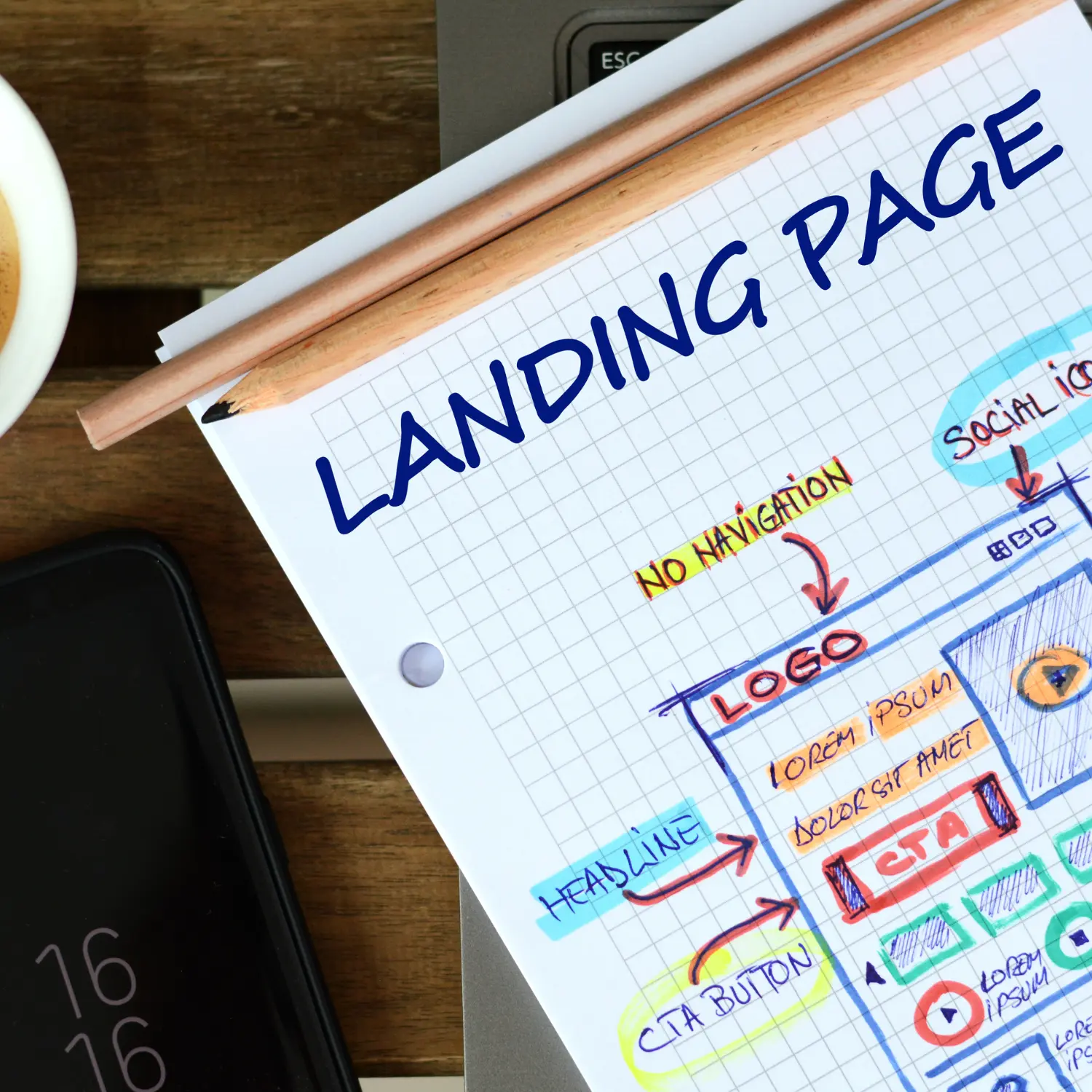
Optimization of key pages (landing pages, forms, funnels)
Optimization of key pages (landing pages, forms, funnels)
We rework your pages to improve conversion: messaging, structure, proof points, CTAs, friction, speed, mobile-first UX, and trust. The goal: get more people to the next step.
Examples of optimizations:
Google Ads / Meta / LinkedIn landing pages Conversion-focused SEO/GEO service pages
Forms (less friction + better qualification)
“Contact” and “Request a Quote” pages
Checkout / appointment booking
Examples of optimizations:
Google Ads / Meta / LinkedIn landing pages Conversion-focused SEO/GEO service pages
Forms (less friction + better qualification)
“Contact” and “Request a Quote” pages
Checkout / appointment booking

Reliable measurement & tracking (GA4, GTM, events, dashboards)
Effective CRO depends on solid measurement. We make sure your conversions, events, and sources are tracked properly (forms, calls, clicks, bookings) so you can make decisions based on data.
What we implement:
Tracking plan (events + conversions) GA4 + Google Tag Manager setup
Marketing attribution (UTMs, campaigns)
Dashboards (conversion KPIs, CPL, CPA, page-level conversion rates)
Tracking plan (events + conversions) GA4 + Google Tag Manager setup
Marketing attribution (UTMs, campaigns)
Dashboards (conversion KPIs, CPL, CPA, page-level conversion rates)
